Innovative Student Inventions Tackling Environmental Challenges

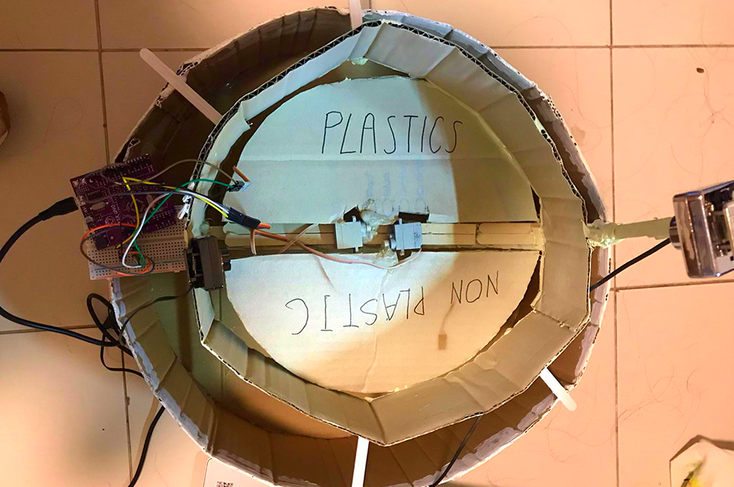
An intelligent recycling container, a small biogas generator, and a refrigerator that monitors food expiration – you will be amazed (and inspired) by the ideas our students developed to address current environmental challenges.
https://www.schoolbag.edu.sg/story/student-inventions-to-solve-environmental-problems/Environmental problems are growing every year, and finding practical solutions is urgent. Students around the world are stepping up with creative ideas that address these issues directly. From smart recycling bins to compact biogas machines and fridges that track food expiry, these inventions show how young minds can make a real difference. This post explores some of the most promising student projects designed to help protect the planet.
Smart Recycling Bins That Make Sorting Easy
One major challenge in waste management is proper sorting. Many recyclable materials end up in landfills because people throw them in the wrong bins. Students have developed smart recycling bins equipped with sensors and AI technology to identify and separate waste automatically.
These bins use cameras and weight sensors to detect the type of waste—plastic, paper, metal, or organic—and sort it into the right compartment. Some models even provide feedback to users, encouraging better recycling habits. For example, a team from a university in the Netherlands created a bin that lights up green when the item is recyclable and red when it is not. This immediate feedback helps educate users and reduces contamination in recycling streams.
Smart bins can be placed in schools, offices, and public spaces to improve recycling rates. They also collect data on waste patterns, which helps local authorities plan better waste management strategies.
Compact Biogas Machines for Clean Energy
Organic waste is a huge environmental problem, but it also holds potential as a resource. Student inventors have designed compact biogas machines that turn food scraps and garden waste into clean energy. These machines use anaerobic digestion to break down organic matter and produce biogas, which can be used for cooking or electricity generation.
One standout project comes from a group of students in India who built a small-scale biogas unit suitable for urban homes. Their machine fits in a kitchen corner and processes daily food waste, reducing landfill contributions and providing a renewable energy source. The design is affordable and easy to maintain, making it accessible for many households.
Besides energy production, these biogas machines reduce greenhouse gas emissions by preventing organic waste from decomposing in landfills, where it releases methane—a potent greenhouse gas. This approach supports both waste reduction and clean energy goals.
Fridges That Track Food Expiry to Cut Waste
Food waste is a major environmental issue, with millions of tons discarded every year. Students have tackled this by inventing smart fridges that track the expiry dates of stored food items. These fridges use barcode scanners or image recognition to log groceries and alert users when items are nearing their expiration.
A team from a university in the United States developed a fridge system connected to a mobile app. The app sends notifications about food that needs to be used soon, suggests recipes based on available ingredients, and even tracks shopping habits to reduce overbuying. This technology helps households save money and reduce food waste, which in turn lowers the environmental impact of food production and disposal.
Such fridges can be especially useful in shared living spaces or for busy families who struggle to keep track of their groceries. By making food management easier, these inventions promote more sustainable consumption.
Other Notable Student Projects
Beyond these three inventions, many students have created solutions targeting different environmental problems:
Water purification devices that use solar energy to clean contaminated water in rural areas.
Portable air quality monitors that help communities track pollution levels and advocate for cleaner air.
Eco-friendly packaging alternatives made from biodegradable materials to replace plastics.
Urban gardening kits that encourage growing food locally, reducing transportation emissions.
These projects demonstrate how students apply science and technology to real-world challenges, often focusing on affordability and ease of use.
How These Inventions Make a Difference
Each invention addresses a specific environmental problem with practical, user-friendly solutions. They help reduce waste, lower emissions, conserve resources, and educate communities. Importantly, these projects show that innovation does not require massive budgets or complex infrastructure. With creativity and determination, students can develop tools that have immediate positive impacts.
Schools and universities can support these efforts by providing resources, mentorship, and platforms to showcase inventions. Governments and businesses can also collaborate to scale up successful projects and integrate them into broader environmental strategies.
What You Can Do Next
If these student inventions inspire you, consider ways to support or adopt similar solutions in your community:
Encourage local schools to start environmental innovation clubs.
Advocate for smart recycling bins in public spaces.
Explore small biogas units for home use if you generate organic waste.
Use technology to track and reduce your food waste.
Share ideas and collaborate with others interested in sustainability.
Every small action adds up. By embracing new ideas and technologies, we can all contribute to a healthier planet.
These student inventions prove that tackling environmental challenges is possible with practical, thoughtful solutions. They remind us that innovation often starts with simple ideas and a willingness to act. The future depends on how we use our creativity today to protect the world for tomorrow.


Comments